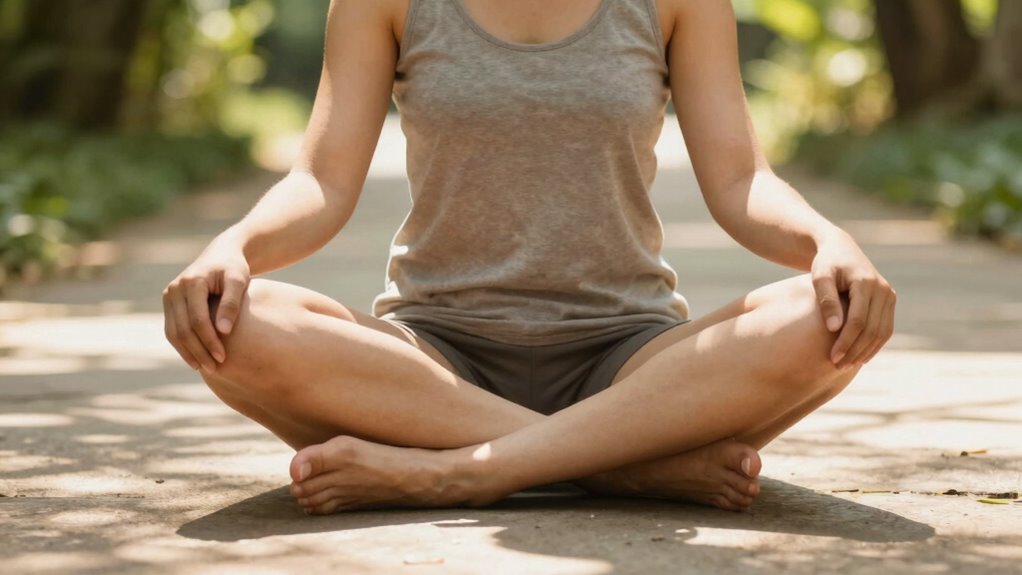

Mindfulness starts with the body because it helps you anchor awareness in the present moment through sensations, breath, and tension. By focusing on physical feelings, you become more attuned to subtle shifts, which improves emotional regulation and reduces stress. Noticing tension and relaxing muscles foster calm and clarity. This physical foundation makes it easier to stay present and mindful in daily life. Keep exploring how your body can deepen your mindfulness practice and transform your awareness.
Listen free for 30 days with Audible
Thousands of audiobooks and originals — cancel anytime.
As an affiliate, we earn on qualifying purchases.
Key Takeaways
- Body sensations serve as a tangible anchor, grounding awareness in the present moment.
- Focusing on the body helps recognize habitual tension and unconscious reactions.
- Developing body awareness enhances emotional regulation and promotes relaxation.
- The body acts as a foundation for mindfulness, supporting mental clarity and focus.
- Physical focus creates a direct connection to the here and now, facilitating mindful presence.
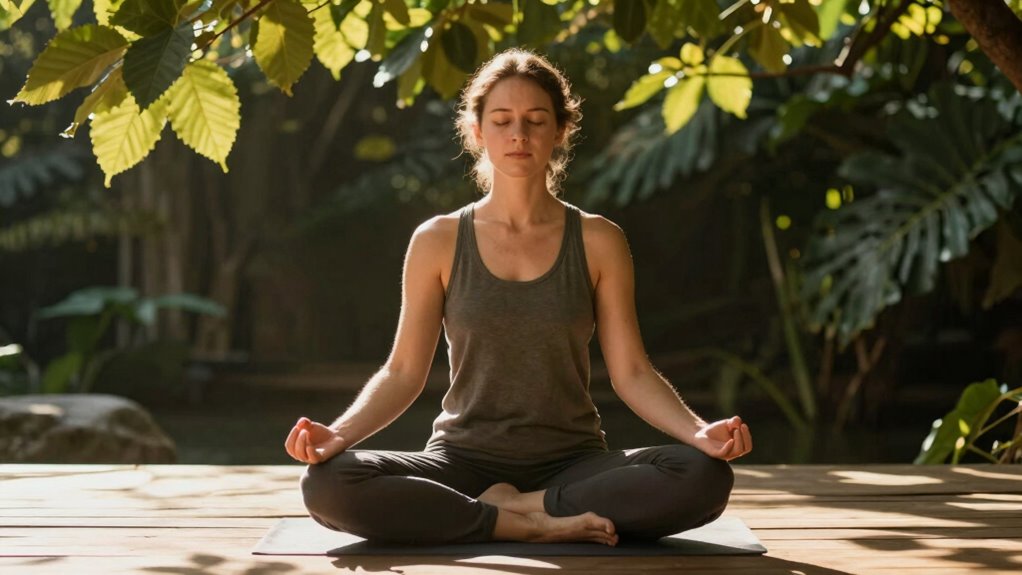
Mindfulness begins with paying close attention to your body, because your physical sensations anchor you in the present moment. When you focus on your body, you create a foundation for awareness that’s rooted in the here and now. One of the simplest ways to do this is through breath awareness. By consciously noticing your breath—its rhythm, depth, and flow—you connect with a constant, natural rhythm that’s always available. As you breathe in, feel the air fill your lungs; as you breathe out, notice the release. This gentle focus on your breath helps calm your mind and brings your attention away from worries or distractions. Breath awareness isn’t about controlling your breathing, but about observing it without judgment, allowing you to stay anchored in the present.
In addition to focusing on your breath, a body scan is a powerful technique that deepens your connection to your physical sensations. You systematically move your attention through different parts of your body, starting from your toes and gradually moving upward. During the scan, notice any tension, warmth, coolness, or tingling sensations. Don’t try to change what you feel; just observe. This process helps you become more aware of habitual tension or unconscious reactions stored in your body. As you scan, you may find areas where your muscles hold stress or tightness. Recognizing these habitual tensions and acknowledging them without judgment allows you to release tension gradually, fostering a sense of relaxation and presence. Understanding how contrast ratio affects visual clarity can also help you optimize your environment for better focus during mindfulness practice. Additionally, cultivating body awareness enhances your ability to notice subtle shifts in your physical state, contributing to greater emotional regulation. Developing a consistent mindfulness practice can also improve your overall mental clarity, making it easier to recognize and respond thoughtfully to stressors.
As an affiliate, we earn on qualifying purchases.
Frequently Asked Questions
How Long Should I Practice Mindfulness Daily?
You should aim to practice mindfulness for at least 10 to 20 minutes daily. Start with simple breathing techniques and focus on body awareness to deepen your practice. Consistency matters more than duration, so even a few minutes each day can make a difference. As you become more comfortable, gradually extend your practice time. Regular mindfulness helps improve mental clarity, reduce stress, and enhance your overall well-being.
Can Mindfulness Improve Physical Health?
Yes, mindfulness can improve your physical health. Studies show that regular practice reduces stress by up to 30%, which in turn boosts your immune system. When you focus on your body and breath, you lower cortisol levels, helping prevent chronic illnesses. Mindfulness also encourages healthier behaviors, like better sleep and diet, supporting overall well-being. So, dedicating time daily can lead to tangible health benefits for your body.
Is Mindfulness Suitable for Children?
Yes, mindfulness is suitable for children. It encourages child engagement by teaching them to focus on their feelings and surroundings. Through age-appropriate practices, children gain developmental benefits like improved attention, emotional regulation, and stress management. You can introduce simple techniques like breathing exercises or mindful listening, making it fun and accessible. This helps children build resilience and awareness, setting a strong foundation for their overall well-being.
What Are Common Challenges Beginners Face?
Did you know that nearly 60% of beginners struggle with managing distractions? When starting mindfulness, you’ll likely face challenges like overcoming impatience and staying focused. You might find your mind wandering or feeling restless. To overcome this, practice patience and gently bring your attention back to your breath or body. Remember, it’s normal to face these hurdles—consistent practice helps you develop better focus and calm over time.
How Does Mindfulness Differ From Meditation?
Mindfulness differs from meditation because it’s a broader practice that involves maintaining mental focus and emotional regulation throughout daily activities. While meditation often involves dedicated sitting sessions to cultivate awareness, mindfulness extends into everyday moments, helping you stay present and centered. Both practices enhance your ability to manage stress, but mindfulness emphasizes continuous awareness, allowing you to respond thoughtfully rather than react impulsively, ultimately improving overall well-being.
breath awareness meditation pillow
As an affiliate, we earn on qualifying purchases.
As an affiliate, we earn on qualifying purchases.
Conclusion
As you deepen your awareness of the body, you realize mindfulness isn’t just a practice—it’s a journey into the unknown within yourself. Each breath, each sensation, opens a door to something more profound, more elusive. The body holds secrets waiting to be uncovered, and with each mindful moment, you edge closer to a truth that could change everything. Are you ready to explore what lies beneath the surface? The next step is yours to take.
mindfulness body awareness journal
As an affiliate, we earn on qualifying purchases.
As an affiliate, we earn on qualifying purchases.
relaxation tension release massage tools
As an affiliate, we earn on qualifying purchases.
As an affiliate, we earn on qualifying purchases.
Evergreen bestsellers Picks
bestsellers
As an affiliate, we earn on qualifying purchases.