
Meditation rewires your brain by strengthening beneficial neural pathways and weakening negative ones, which improves your ability to manage stress and emotions. It activates regions like the prefrontal cortex, boosting rational thinking, while reducing activity in the amygdala, lowering anxiety. Regular practice also quiets the mind-wandering default mode network, promoting calmness. Over time, meditation influences neurotransmitters like serotonin, supporting mood stability. Keep exploring to discover how these changes can enhance your mental resilience and overall well-being.
Key Takeaways
- Meditation enhances neuroplasticity, enabling the brain to rewire neural connections for improved thought and emotion regulation.
- It reduces activity in the amygdala and increases prefrontal cortex engagement, promoting stress resilience and rational thinking.
- Regular practice quiets the default mode network, decreasing mind-wandering and rumination for a calmer mental state.
- Meditation boosts neurotransmitters like serotonin and GABA, fostering mood stability and relaxation.
- Long-term meditation leads to lasting brain adaptations, strengthening positive neural pathways and emotional stability.

Meditation directly influences brain patterns, shaping the way your brain processes thoughts, emotions, and stress. When you meditate regularly, you tap into neuroplasticity enhancement, which is your brain’s ability to reorganize itself by forming new neural connections. This process allows your brain to adapt, strengthening beneficial pathways and weakening those linked to negative emotions or habits. By consistently practicing meditation, you help your brain develop more resilient and positive patterns, making it easier to respond calmly in stressful situations.
Through meditation, you activate stress reduction techniques that directly impact your brain’s response to stressors. When you focus on your breath, visualize peaceful scenes, or repeat calming phrases, you signal your nervous system to shift away from the fight-or-flight response. Over time, this results in decreased activity in the amygdala, the brain region associated with fear and anxiety, and increased activity in the prefrontal cortex, which governs rational thinking and emotional regulation. The more you meditate, the more these changes become ingrained, helping you handle stress more effectively and with greater clarity.
Regular meditation reduces amygdala activity and strengthens prefrontal cortex function for better stress management and emotional clarity.
Your brain’s default mode network, responsible for mind-wandering and self-referential thoughts, also undergoes transformation through meditation. Regular practice helps quiet this network, reducing rumination and overthinking that often accompany stress and anxiety. Instead, you cultivate a calmer, more focused mental state, which contributes to overall mental health. As you continue, you’ll notice a shift in your brain’s resting state activity, indicating a more balanced and resilient mental framework.
Furthermore, meditation influences the production of neurotransmitters like serotonin and gamma-aminobutyric acid (GABA), which are pivotal for mood stabilization and relaxation. Increased levels of these chemicals promote feelings of well-being and peace, reinforcing positive brain patterns. This biochemical change supports neuroplasticity, making it easier for your brain to adopt healthier responses to stress and emotional challenges.
Additionally, incorporating meditation’s impact on neuroplasticity into your routine can accelerate these brain changes, making your efforts more effective over time. Incorporating stress reduction techniques into your daily routine doesn’t require hours of meditation—short, consistent sessions can produce significant brain changes over time. As you build this habit, your brain becomes more adept at rewiring itself in ways that foster resilience, emotional stability, and calmness. Fundamentally, meditation acts as a catalyst for your brain’s natural capacity to adapt and grow, helping you develop healthier thought and emotion management. The more you engage with these practices, the more your brain’s patterns shift towards stability, positivity, and resilience, transforming your overall mental landscape.
As an affiliate, we earn on qualifying purchases.
Frequently Asked Questions
How Quickly Can Meditation Impact Brain Patterns?
You can start noticing changes in your brain patterns within just a few days of regular meditation. Even short sessions, around 10-20 minutes, can tap into your neuroplasticity potential, gradually rewiring your brain. The key is consistent meditation duration, which boosts your ability to develop new neural pathways. With dedication, you’ll likely see improvements in focus, mood, and stress levels fairly quickly, reinforcing the benefits of this practice.
Are There Specific Meditation Techniques That Influence Brain Changes More?
You can influence brain changes more effectively with specific meditation techniques like mindfulness and transcendental practices. Mindfulness benefits include increased focus and emotional regulation, while transcendental techniques promote deep relaxation and stress reduction. By regularly practicing these methods, you activate different brain regions, strengthening neural connections. Consistency enhances these effects, helping you experience lasting brain pattern shifts, improved mental clarity, and emotional resilience over time.
Can Meditation Reverse Age-Related Brain Decline?
Yes, meditation can help reverse age-related brain decline. By boosting neuroplasticity benefits, it encourages your brain to form new connections, helping maintain cognitive functions. Regular meditation also reduces stress, which can accelerate brain aging. When you meditate consistently, you support brain health, improve memory, and protect against cognitive decline, making it a powerful tool for aging gracefully and keeping your mind sharp.
How Long Do Brain Pattern Changes Last After Meditation?
You might find that brain pattern changes from meditation can last weeks or even months, thanks to your brain’s plasticity and neural adaptation. It’s a coincidence how small daily efforts create lasting effects, reinforcing positive patterns. Your brain continues to adapt and strengthen these changes over time, making meditation a powerful tool for sustained mental clarity and emotional resilience. Keep practicing, and you’ll notice lasting benefits in your brain’s wiring.
Is Meditation Effective for Mental Health Disorders?
Yes, meditation benefits mental health by reducing stress, anxiety, and depression. When you meditate regularly, you strengthen your emotional resilience and improve your mood. Meditation can help manage symptoms of mental health disorders, offering a natural and accessible way to support your well-being. Incorporate meditation into your routine to experience these benefits firsthand, and you’ll likely notice positive changes in your mental health over time.

Mindsight 'Original Breathing Buddha' Guided Visual Meditation | 3 Modes to Slow Your Breathing & Calm Your Mind | Stress & Anxiety Relief | Wellness Gift | Adults, Kids, Classrooms | USB Rechargeable
- Purpose: Calms and focuses the mind daily
- Usage Modes: 3 breathing modes and night light
- Breathing Techniques: 4/7/8, 5/5, 4/4/4/4 patterns
As an affiliate, we earn on qualifying purchases.
As an affiliate, we earn on qualifying purchases.
Conclusion
By now, you see how meditation actively reshapes your brain patterns, fostering greater calm and focus. Some might think these changes are subtle or temporary, but research shows lasting neural benefits with consistent practice. So, don’t dismiss meditation as just relaxation—it’s a powerful way to rewire your brain for improved mental clarity and emotional resilience. Embrace it, knowing even small daily efforts can lead to profound, enduring transformations.
As an affiliate, we earn on qualifying purchases.
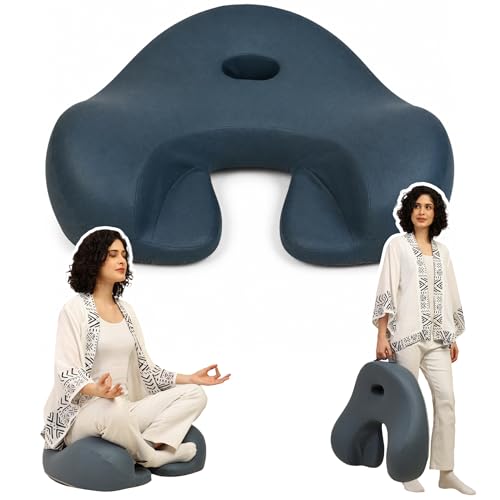
Ergonomic Meditation Cushion with Foot Rest & Carry Strap – Large Floor Cushion for Adults – Meditation Seat & Yoga Cushion for Mindfulness, Sound Healing & Reiki
- Ergonomic Support: Elevates hips and aligns spine
- Built-in Foot Rest: Provides stable leg positioning
- Premium Foam Core: High-density, shape-retaining support
As an affiliate, we earn on qualifying purchases.
As an affiliate, we earn on qualifying purchases.