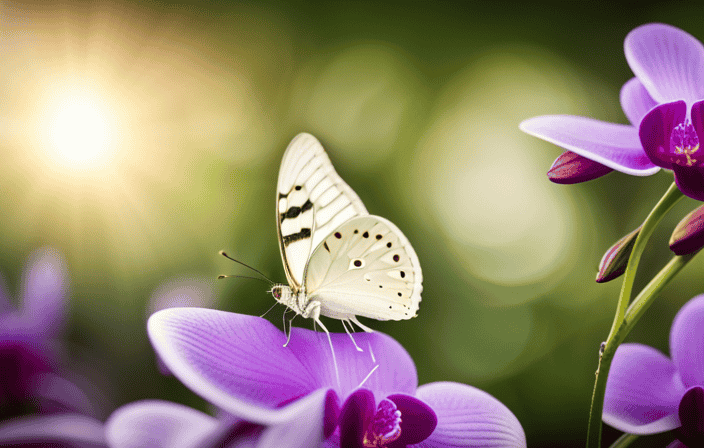
Nature photography fuels your creativity and deepens your appreciation for the environment’s fragile beauty. By capturing fleeting moments like sunrise or wildlife, you learn to notice intricate details and develop mindfulness. These images inspire action and conservation efforts, making your work meaningful. As you explore techniques and ethical practices, you’ll strengthen your connection to natural spaces. Keep exploring, and you’ll discover how these visual stories can transform your perspective and motivate you to protect nature.
Key Takeaways
- Capturing fleeting natural moments ignites creativity and deepens appreciation for the environment.
- Thoughtful landscape composition transforms scenes into expressive works of art.
- Observing intricate details fosters mindfulness and environmental awareness.
- Personal growth through patience and resilience enhances inspiration and connection to nature.
- Ethical, accurate photography raises awareness and motivates conservation efforts.
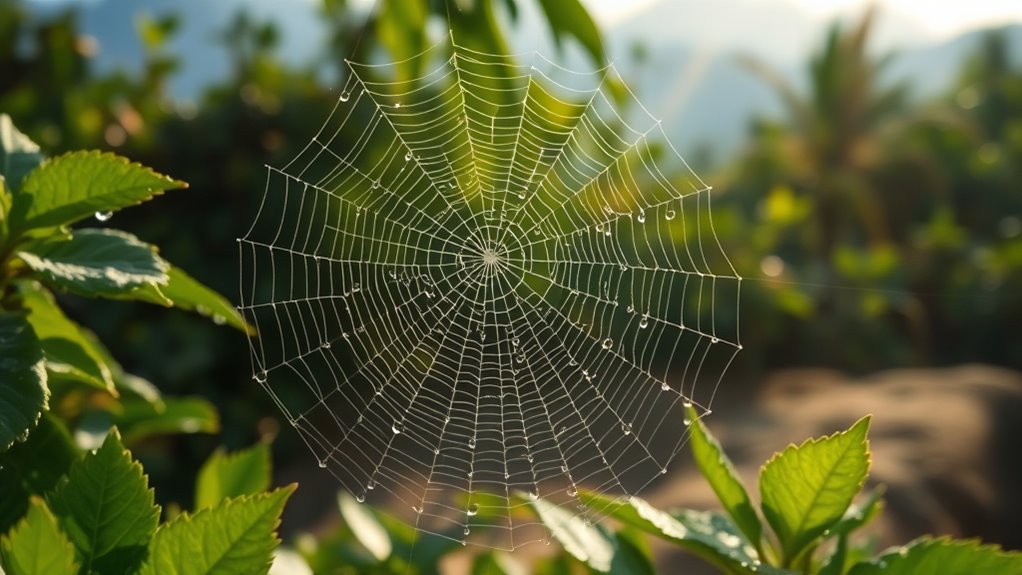
Have you ever wondered how a single photograph of a mountain sunrise or a delicate flower can inspire your daily life? Nature photography captures fleeting moments that often go unnoticed, yet they hold the power to ignite your creativity and deepen your appreciation for the natural world. When you focus on wildlife preservation through your lens, you not only document the beauty of animals and plants but also become an advocate for their survival. Your photographs can tell compelling stories about fragile ecosystems, encouraging others to take action and protect these essential habitats. This sense of purpose transforms your hobby into a meaningful pursuit that contributes to conservation efforts.
A single photograph can inspire action and preserve fragile ecosystems.
As you explore landscape composition in your photography, you’ll learn to see the world through a different lens. Every scene offers an array of elements—the play of light and shadow, the arrangement of trees and rocks, the horizon line—that can be arranged to evoke emotion or tell a story. Landscape composition involves more than just capturing a beautiful view; it requires intentionality and an eye for balance. When you master these principles, your photos become not just images of scenery but works of art that inspire viewers to connect more deeply with nature. This understanding encourages you to seek out untouched vistas and pristine environments, further fostering your commitment to preserving natural spaces.
Nature photography also pushes you to be more mindful of your surroundings. As you hunt for the perfect shot, you start noticing details you might have overlooked before—an intricate leaf pattern, the subtle movement of wildlife, or the way the light filters through the trees. This heightened awareness can motivate you to participate in wildlife preservation initiatives, such as supporting local conservation groups or volunteering for habitat restoration projects. Your photographs serve as visual testimonies that highlight the importance of protecting these environments, making your work a catalyst for change.
Furthermore, capturing compelling images of nature can inspire your daily life by encouraging patience, perseverance, and an appreciation for the present moment. Waiting for the right light or the perfect wildlife encounter teaches resilience and mindfulness. These qualities can spill over into other areas of your life, fostering a sense of calm and purpose. Your photography journey becomes a continuous source of inspiration, reminding you that beauty exists in even the simplest aspects of the natural world. Through your lens, you not only create art but also become a steward of the environment, inspiring others to see the natural world as a precious resource worth safeguarding. Recognizing the importance of color accuracy in your images ensures that the beauty you capture is faithfully represented, further strengthening your connection to the environment and your viewers.

Canon EOS Rebel T7 DSLR Camera Double Zoom Lens Kit with EF-S 18-55mm and EF 75-300mm Lenses, 24.1 Megapixel CMOS (APS-C) Sensor, Full HD Videos, Wi-Fi, Beginner Photographers, Digital Camera, Black
- High-Resolution Sensor: 24.1MP CMOS APS-C sensor
- Fast Autofocus: Dual Pixel and eye detection AF
- Wireless Connectivity: Built-in Wi-Fi and NFC
As an affiliate, we earn on qualifying purchases.
As an affiliate, we earn on qualifying purchases.
Frequently Asked Questions
What Equipment Is Best for Beginner Nature Photography?
For beginner nature photography, you’ll want a camera with good autofocus and image quality. A sturdy tripod ensures stability for sharp shots, especially in low light or when capturing details. Opt for a versatile lens like a zoom or macro to explore different subjects. Start with an affordable DSLR or mirrorless camera, focus on lens selection and tripod stability, and practice often to improve your skills in capturing nature’s beauty.
How Can I Improve My Composition Skills?
To instantly elevate your composition skills, you must master lighting techniques and framing strategies. Imagine lighting like a magic wand that transforms ordinary scenes into breathtaking art—experiment with natural light at different times of day. Use framing strategies to guide the viewer’s eye, creating depth and focus. Practice constantly, analyze great photos, and don’t be afraid to break rules—your eye will sharpen, and your photos will pop with creativity!
What Are the Best Times of Day for Shooting?
You should shoot during the golden hour and blue hour for stunning results. The golden hour, just after sunrise or before sunset, offers warm, soft light that enhances natural colors. The blue hour, shortly before sunrise or after sunset, provides cool, diffused lighting perfect for moody, atmospheric shots. Plan your shoots around these times to capture the best natural light and elevate your nature photography.
How Do I Protect My Camera Outdoors?
Think of your camera as your trusty sidekick in the wild. To keep it safe, always use weatherproof gear and a sturdy camera protection case. Carry a microfiber cloth for quick cleanups, and avoid sudden weather changes or extreme conditions. When not shooting, stash your camera in a padded bag. This way, you’re ready to capture nature’s beauty without worrying about damage—stay one step ahead of Mother Nature.
Are There Ethical Considerations in Nature Photography?
Yes, there are ethical considerations in nature photography. You should prioritize wildlife conservation by avoiding disturbance to animals and their habitats. Practice ethical framing by capturing images without harming or stressing wildlife. Respect nature’s delicate balance, stay on designated paths, and seek permission when necessary. Your goal is to inspire others responsibly while preserving the environment, ensuring future generations can enjoy its beauty.

Canon RF100-400mm F5.6-8 is USM Telephoto Lens, Black, Compatible with EOS R Series Mirrorless Cameras
- Lens Type: Telephoto zoom lens
- Focal Length: 100-400mm
- Size and Weight: Compact and lightweight
As an affiliate, we earn on qualifying purchases.
As an affiliate, we earn on qualifying purchases.
Conclusion
Just like Thoreau found wisdom in the quiet woods, you can discover inspiration in nature’s details. When you pause to observe, you tap into a timeless well of creativity and clarity. Nature’s beauty isn’t just a scene to behold but a story waiting to be told through your lens. So, step outside, embrace the wild, and let the world’s artistry fuel your own. Your next masterpiece begins where the earth meets your vision.

K&F Concept 64 inch/163cm Lightweight Aluminum Travel Camera Tripod
- Lightweight and Portable: Adjustable height from 20.4'' to 64.1''
- Compact Folded Size: Folds to 15.5'' for easy carrying
- Lightweight Design: Only 2.53 lbs with ball head included
As an affiliate, we earn on qualifying purchases.
As an affiliate, we earn on qualifying purchases.

The Complete Guide to Nature Photography: Professional Techniques for Capturing Digital Images of Nature and Wildlife
As an affiliate, we earn on qualifying purchases.
As an affiliate, we earn on qualifying purchases.