
Dreaming in a second language shows you’re making real progress, as your brain starts to process it more naturally. When you immerse yourself in media and conversations, you help your mind form neural connections, making language use more automatic and effortless. Stay patient and positive, because relaxation and consistent practice boost subconscious learning. If you keep focusing on immersive, stress-free experiences, you’ll notice your dreams increasingly reflect your fluency journey—keep going to discover more.
Key Takeaways
- Dreaming in a second language indicates neural integration and progression toward fluency in subconscious processing.
- Increased practice and immersion accelerate language automation, making dreaming in the language more likely.
- Positive, relaxed learning environments enhance long-term memory formation and dreaming in the target language.
- Dreams reflect the stage of language mastery, evolving from literal translations to effortless, complex conversations.
- Consistent exposure and patience support neural connection development, fostering natural dreaming in the second language.

Have you ever wondered what it’s like to dream in a second language? It’s a fascinating experience that reveals a lot about your language acquisition journey and how your brain processes new information. When you start dreaming in a second language, it indicates that your cognitive processing has become more fluent and automatic. Instead of consciously translating words or phrases, your brain begins to treat the new language as a natural part of your mental landscape. This shift is a sign that your language skills are moving beyond classroom knowledge into real, subconscious use. As you continue to learn, your brain forms neural connections that make understanding and producing the language feel more instinctive, even in your dreams.
Dreaming in a second language often reflects the depth of your cognitive processing. In the early stages of language acquisition, your dreams might feature literal translations or simple, awkward sentences. But as you practice more and your brain becomes accustomed to the sounds, grammar, and vocabulary, your dreams start to mirror this increased fluency. You might find yourself steering conversations effortlessly or experiencing more complex scenarios. This progression shows that your brain isn’t just storing vocabulary; it’s integrating the language into your cognitive framework, allowing you to think and communicate more naturally. Essentially, your dreams become a window into how well your long-term memory and neural pathways are supporting your language development.
To encourage this phenomenon, immersion and consistent practice are key. Surrounding yourself with the second language—through media, conversations, or even thinking in it—accelerates your cognitive processing. When you actively engage with the language, your brain starts to automate responses, reducing the mental effort needed to comprehend and produce speech. This automation is vital because it lays the groundwork for dreaming in the language. Additionally, maintaining a positive attitude and patience helps, as stress and frustration can hinder the natural integration of the language into your subconscious. The more you expose yourself and allow your brain to process the language without pressure, the more likely you are to start dreaming in it.
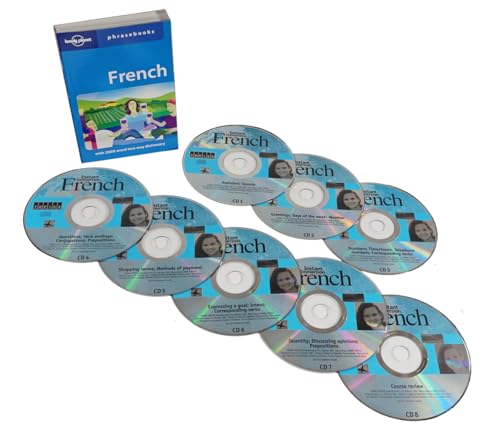
Topics Entertainment Learn How to Speak French Language – Instant Immersion – 8 Audio CD Set
- Fastest way to learn French: The quickest way to learn a language
- Listen anywhere: Listen in your car, home or anywhere
- Self-paced learning: Easy, comprehensive instruction at your own pace
As an affiliate, we earn on qualifying purchases.
As an affiliate, we earn on qualifying purchases.
Frequently Asked Questions
Can Dreaming in a Second Language Improve Language Fluency?
Dreaming in a second language can boost your language acquisition by strengthening cognitive processing skills. When you dream in that language, your brain actively practices vocabulary, grammar, and pronunciation subconsciously. This reinforcement helps you become more fluent and confident in real-life conversations. So, yes, experiencing dreams in your second language can be a powerful tool to improve your overall language skills, making your learning more natural and effective.
Do All Bilinguals Experience Dreams in Their Second Language?
Bilinguals often wonder whether they dream in their second language. While some experience vivid, language transfer-rich dreams in their second language, not everyone does. Dream vividness varies based on language proficiency and daily use. You might find that your dreaming language shifts over time, reflecting your language comfort zone. Ultimately, not all bilinguals dream in their second language; it depends on your language exposure and emotional connection.
How Long Does It Take to Start Dreaming in a Second Language?
You might start dreaming in your second language after several months of language immersion and cognitive adaptation. As you become more immersed, your brain begins to process your second language more naturally, leading to dreams in that language. The exact time varies depending on your exposure and practice. Regularly engaging with native speakers and practicing helps accelerate this process, making it more likely you’ll dream in your second language sooner.
Are There Psychological Effects Associated With Dreaming in a Second Language?
You might think dreaming in a second language has no psychological effects, but it actually influences your language identity and emotional processing. When you dream in that language, you may feel more connected to your bilingual self or experience shifts in mood. These dreams can boost confidence or sometimes evoke anxiety. Overcoming the misconception that it’s just subconscious nonsense, you realize it’s a meaningful part of your language journey.
Does Dreaming in a Second Language Differ Across Age Groups?
You might notice that dreaming in a second language varies with age. Younger individuals, due to developmental language acquisition, often process new languages more fluidly, leading to more frequent second-language dreams. As you age, age-related language processing changes can make dreaming in a second language less common or more effortful. These differences reflect how your brain adapts and develops language skills over time, influencing your dreaming patterns.

Spectrum Writing Workbook Grade 2, Ages 7 to 8, Second Grade Writing Workbook, Informative, Opinion, Letters, and Story Writing Prompts, Writing Practice for Kids – 112 Pages
- Standards-Based Writing Series: Aligned with current State Standards
- Skill Development: Builds and strengthens writing skills
- Engaging Lessons: Includes open-ended, grade-appropriate projects
As an affiliate, we earn on qualifying purchases.
As an affiliate, we earn on qualifying purchases.
Conclusion
Dreaming in a second language can reveal mind-blowing cognitive powers you never knew you had. Imagine flipping a switch and suddenly thinking in a new language so effortlessly that your brain feels like a superhero’s secret weapon. With every dream, you’re building a language fortress so strong, no mistake can break it. Keep practicing, and soon, you’ll unlock the extraordinary ability to speak, think, and dream fluently—turning your mind into a linguistic powerhouse!

Crash Course Ingles: Learn how to Speak English – 3 Audio CD Set
- Fastest way to learn English: Accelerated language learning method
- Expert-designed for all ages: Suitable for children and adults
- Ideal for work, travel, school: Versatile for various needs
As an affiliate, we earn on qualifying purchases.
As an affiliate, we earn on qualifying purchases.

Airbition Bilingual Spanish and English Talking Flash Cards for Ages 2+, Pocket Speech Therapy Toy with 510 Words, Montessori Language Learning Toy, Children's Sensory Learning Kit
- Bilingual Language Learning: Learn Spanish and English simultaneously
- Clear American Voice: Supports English, Spanish, and dual playback
- Cognitive Development: Includes numbers, shapes, colors, animals, and transportation
As an affiliate, we earn on qualifying purchases.
As an affiliate, we earn on qualifying purchases.