
TL;DR

Turn your wind-down time into listening time
- Thousands of audiobooks, podcasts and originals
- Listen on your phone, tablet or Echo — also offline
- Cancel anytime
A Sixty and Me report says aging reflects more than chronological age and describes lifestyle factors that may influence health as people grow older. It recommends regular movement, sleep, nutritious food, social connection and purpose, but does not present these habits as a way to stop or reverse aging.
A Sixty and Me report on aging after 60 describes practical habits that may support health as people grow older, including regular movement, adequate sleep, a minimally processed diet and social connection. The article distinguishes chronological age from biological aging, while making clear that lifestyle choices cannot control every influence on aging or guarantee a particular outcome.
The report defines chronological age as the number of years a person has lived and biological age as a measure of how well the body is functioning. It says genetics, lifestyle and environment all contribute. Citing Harvard genetics professor David Sinclair, it says genes may account for up to half of the rate at which people age; the supplied material does not provide further details about the estimate or its evidence.
Among factors associated with aging, the report lists smoking, excess sun exposure, chronic stress, poor sleep, inactivity and excess weight. It also discusses anxiety about aging, loneliness, air pollution, frequent alcohol use, disrupted sleep schedules and gut bacteria. These factors are not all supported by equivalent evidence in the supplied article, and the report does not establish that any one of them directly determines an individual’s biological age.
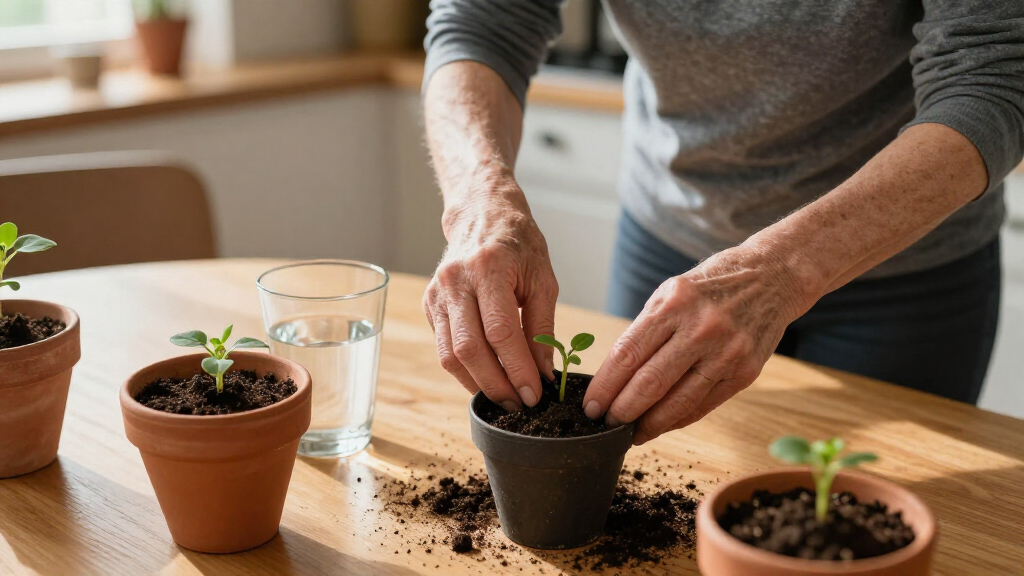
Its practical suggestions are deliberately ordinary: choose activities that can be maintained safely, such as walking, gardening or strength exercises; keep a regular sleep schedule; eat more vegetables, fruit, beans, whole grains and nuts; and make time for friends, family or community groups. It also encourages people to maintain a sense of purpose. The article frames these as habits associated with healthier aging, not as medical treatment or a promise to extend life.
Everyday Habits and Later-Life Health
The report’s relevance is its focus on modifiable daily routines rather than age as a number people can change. Movement, sleep, diet and social contact are accessible starting points for many readers, and the framing avoids suggesting that healthy aging requires athletic training or a restrictive diet.
At the same time, the distinction between influence and control matters. The article does not show that adopting these habits will make a person biologically younger or prevent illness. Individual health needs differ, and the report’s broad recommendations should not replace advice from a qualified health professional, especially for people managing chronic conditions or considering changes to exercise or diet.
Products Worth Considering

Withings Sleep Under-Mattress Sleep Tracking Pad

Therabody SmartGoggles 2nd Gen Heated Eye and Temple Massager

Withings BPM Connect Wi-Fi and Bluetooth Blood Pressure Monitor
As an affiliate, we earn on qualifying purchases.
Chronological Age and Biology
The source report presents aging as a mix of inherited factors and influences that may be shaped by behavior and surroundings. It cites a study of 726 middle-aged women in which greater anxiety about growing older was associated with faster epigenetic aging. Epigenetic changes concern how genes are switched on and off; an association in a study does not establish that anxiety caused the changes or show that the result applies equally to everyone over 60.
The report also points to social connection and purpose as parts of well-being in later life. Its central message is that small, repeatable habits may matter more than a single dramatic change. The supplied source does not include full study citations, methods or publication dates for the research it mentions, limiting how much readers can assess those findings from the article alone.
“Genes may account for up to half of the rate at which we age.”
— David Sinclair, professor of genetics at Harvard Medical School, as cited in the Sixty and Me report
Limits of the Evidence Cited
The supplied report does not provide complete citations or methods for the research and estimates it references. It is therefore unclear from this material how the cited findings were measured, how strongly they apply to adults over 60, or whether the associations reflect cause and effect. The study of middle-aged women, for example, does not by itself establish that anxiety about aging speeds biological aging in all older adults.
There is also no single biological-age measure described in the report, and it does not define a target or quantify how much any recommended habit could change health outcomes. Its discussion of gut bacteria, pollution and other factors is presented as possible influence, not as a settled conclusion about individual aging.
Practical Steps, Individual Needs
The report offers no new study release, policy change or follow-up research date. Its immediate takeaway is to focus on sustainable routines: build in movement appropriate to one’s abilities, keep sleep regular, choose nourishing foods and maintain contact with other people. Readers considering changes to exercise, diet or sleep because of a health condition can discuss them with a qualified professional.
Further clarity would require access to the studies behind the report’s claims, including their methods and limitations. Until then, its suggestions are best understood as general habits associated with well-being, not a proven program for reversing biological age.
Key Questions
Can people stop aging after 60?
No. The report says chronological age cannot be changed and does not claim that any habit can stop aging. It discusses routines that may support health as people grow older.
What habits does the report recommend?
It recommends regular, safely maintainable activity; consistent sleep; a diet centered on minimally processed foods such as vegetables, fruit, beans and whole grains; social connection; and a sense of purpose.
Does anxiety about aging cause faster biological aging?
The report cites a study of 726 middle-aged women that found an association between greater anxiety about aging and faster epigenetic aging. The supplied material does not establish causation or show that the finding applies to every older adult.
Does biological age have one standard measurement in this report?
No. The article describes biological age broadly as how well the body is functioning, but it does not specify a single test or measurement for readers to use.
Source: rss