
TL;DR

Turn your wind-down time into listening time
- Thousands of audiobooks, podcasts and originals
- Listen on your phone, tablet or Echo — also offline
- Cancel anytime
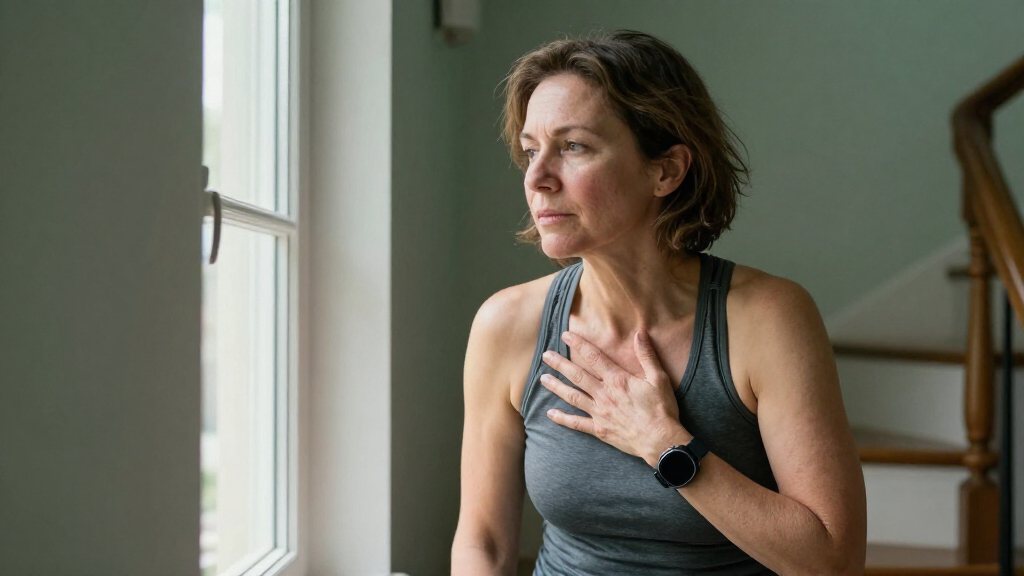
Cardiologist Roy Jogiya says women should not assume new chest discomfort, breathlessness during familiar activities or persistent irregular or racing heartbeats are menopause symptoms. Some signs require emergency care; recurring or worsening symptoms should be assessed by a health professional.
A cardiologist has urged women going through menopause not to automatically dismiss new chest discomfort, unusual breathlessness or persistent palpitations as hormonal symptoms. In a Fit&Well report, Dr Roy Jogiya, chief medical advisor at Heart Research UK, said these changes can have several causes, and some may signal a heart problem that needs prompt assessment.
Jogiya identified three symptoms to pay attention to: new chest pressure or discomfort, becoming breathless during everyday tasks or exercise that previously felt manageable, and a racing or irregular heartbeat that persists. He told Fit&Well that chest discomfort can feel like indigestion, and that symptoms associated with a heart attack in women may also include breathlessness, nausea, sweating, unusual fatigue, or discomfort in the jaw, back or upper abdomen.
The report advises calling emergency services if a heart attack is suspected, even if the person is unsure. Jogiya also said palpitations accompanied by chest pain, shortness of breath, faintness or fainting require emergency attention; severe breathlessness, collapse and signs of stroke do as well. People with new or recurring palpitations, reduced exercise tolerance, recurrent dizziness or unexplained breathlessness should arrange medical assessment. Worsening symptoms, or episodes of palpitations with chest pain, breathlessness or faintness that have stopped, call for urgent medical advice, according to the report.
For persistent symptoms, a clinician may investigate heart rhythm with an electrocardiogram or a portable heart monitor, Jogiya said. The report also relays his prevention suggestions: aim for 150 minutes of moderate exercise a week, add strength training, eat a diet rich in vegetables, wholegrains, nuts and olive oil while limiting salt and saturated fat, and have blood pressure, cholesterol and blood sugar checked. These are general recommendations in the source, not a substitute for an individual medical assessment.
Recognizing Symptoms Beyond Hot Flashes
Menopause symptoms such as hot flashes, disrupted sleep and anxiety can make it harder to distinguish a hormonal change from a possible heart concern. The report’s practical message is not that these symptoms prove heart disease, but that new, persistent or activity-limiting changes deserve attention rather than being written off without assessment.
Jogiya said falling estrogen levels can be associated with changes in cholesterol, blood pressure, abdominal fat and insulin resistance, while aging also affects cardiovascular risk. Those factors do not establish the cause of an individual symptom. But they help explain why the report frames menopause as a point to review heart health and risk factors with a qualified health professional.
Products Worth Considering

Withings BPM Connect Wi-Fi and Bluetooth Blood Pressure Monitor

Withings Body Scan Smart Scale with Segmental Body Composition and ECG, Black

Therabody SmartGoggles 2nd Gen Heated Eye and Temple Massager
As an affiliate, we earn on qualifying purchases.
Menopause and Cardiovascular Risk
Jogiya told Fit&Well that estrogen plays a role in blood vessel health and cholesterol regulation, and that levels fall during menopause. He said LDL cholesterol can rise, blood pressure may increase, and abdominal fat and insulin resistance may develop. The report also stresses that these changes happen gradually and that aging contributes too; it does not provide study data quantifying the effects or separating menopause from age.
According to Jogiya, additional risk markers include high blood pressure, diabetes, high cholesterol, smoking, obesity and a strong family history of premature heart disease. He also called attention to premature menopause and pregnancy-related conditions including pre-eclampsia, gestational diabetes and hypertension. The report does not give individual risk estimates for these groups.
“Menopause isn’t just a reproductive milestone; it’s a cardiovascular one, too.”
— Dr Roy Jogiya, chief medical advisor at Heart Research UK, quoted by Fit&Well
Symptoms Need Individual Assessment
The report does not establish that any of the three symptoms is caused by menopause or heart disease in a particular person. Palpitations can be common during menopause and often harmless, Jogiya said, while hormonal fluctuations, anxiety, disrupted sleep and hot flashes can make a heartbeat more noticeable. Symptoms alone cannot confirm a diagnosis, and the report does not provide new clinical research or population-level statistics.
It is also unclear from the supplied report how often the symptoms occur, how risk differs among menopausal stages, or what individual readers should do based on their medical history. A health professional can assess symptoms in that context. Anyone who suspects a heart attack or experiences the emergency warning signs described should contact local emergency services rather than wait for symptoms to become severe.
Discuss Changes With a Clinician
The report offers no announced follow-up study or policy change. Its practical next step is medical assessment when symptoms are new, recurring, worsening or interfering with usual activity, alongside checks of blood pressure, cholesterol and blood sugar. People with relevant risk factors or pregnancy-related medical histories can raise those details during a consultation.
For acute warning signs—including suspected heart attack, palpitations with chest pain or faintness, severe breathlessness, collapse or stroke signs—the report says to call emergency services. For personal decisions about symptoms, exercise or prevention, readers should consult a qualified health professional.
Key Questions
Which symptoms does the cardiologist say not to dismiss?
Jogiya highlighted new chest discomfort, unexpected breathlessness during familiar activities or exercise, and persistent racing or irregular heartbeats. These symptoms do not by themselves confirm a heart problem, but may need medical assessment.
When should someone call emergency services?
The report says to call emergency services if a heart attack is suspected, including with new chest pressure or discomfort, especially alongside sweating, nausea or breathlessness. It also advises emergency help for palpitations with chest pain, shortness of breath or faintness, and for severe breathlessness, collapse or stroke signs.
Are palpitations during menopause always a sign of heart disease?
No. Jogiya said palpitations are common during menopause and are often harmless; hormonal changes, poor sleep, anxiety and hot flashes can make the heartbeat more noticeable. Persistent or irregular beats, or palpitations with other warning signs, warrant assessment.
What checks or prevention steps does the report mention?
A clinician may use an electrocardiogram or portable heart monitor to investigate rhythm symptoms. Jogiya also recommends regular checks of blood pressure, cholesterol and blood sugar, alongside moderate exercise, strength training and a heart-healthy eating pattern.
Source: fitandwell.com