
TL;DR

Turn your wind-down time into listening time
- Thousands of audiobooks, podcasts and originals
- Listen on your phone, tablet or Echo — also offline
- Cancel anytime
A Sixty and Me report by an herb farmer and cosmetic formulator describes calendula, green tea, fennel, hops and lavender as plants of interest for skincare. The cited research reports possible skin benefits, but the source does not provide study details sufficient to judge how strong or generalizable those findings are.
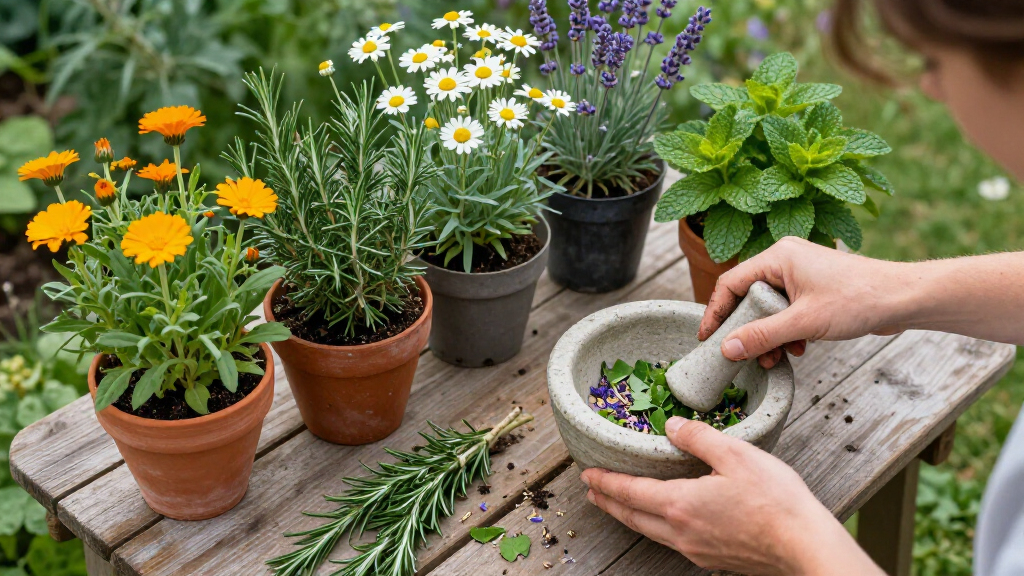
Sixty and Me has published an herb farmer and cosmetic formulator’s account of five plants used or studied for skincare: calendula, green tea, fennel, hops and lavender. The report connects research on possible skin effects with the author’s experience growing and processing some of the plants, while noting that green tea is not grown on the author’s Colorado farm.
The report says studies of calendula extracts have examined wound healing and skin repair, as well as antioxidant and anti-inflammatory activity. It also cites research reporting changes in hydration, elasticity and pigmentation. Laboratory findings discussed in the report include possible protection from UVB-related oxidative damage and effects on collagen production and breakdown. These findings do not, on their own, establish that a particular calendula product will produce the same effects on people’s skin.
Green tea, which the contributor says is not suited to the farm’s Colorado climate, is described as a source of catechins, including EGCG. The report cites research into topical preparations and photoaging-related effects, including hydration, redness and collagen-related measures. It also summarizes research on fennel preparations, which has reported changes in water loss from skin, texture, roughness and pigmentation.
The remaining plants are hops and lavender. The report says topical hops preparations have been studied for hydration, redness, pigmentation and wrinkles, and notes interest in hops compounds with phytoestrogenic activity. Lavender is presented mainly in connection with aromatherapy and soothing irritated skin; the author says lavender grown on the farm is distilled into hydrosol. The report does not identify specific products or provide detailed study citations in the supplied material.
What Local Herb Growing Can Change
The report’s case for growing skincare herbs is both practical and environmental. The contributor says producing some ingredients on the farm can reduce reliance on botanicals purchased from outside suppliers, shortening the supply chain and reducing packaging and transportation associated with buying small quantities. The source does not quantify those savings, so they are presented as the author’s rationale rather than measured environmental results.
For readers, the distinction matters: an ingredient’s botanical origin does not by itself establish a product’s effectiveness or sustainability. The report argues for knowing how plants are grown, processed and formulated, alongside reviewing research. Its farm-to-skin approach emphasizes the full path from plant to finished product rather than treating “natural” as proof of a benefit.
Products Worth Considering

Philips Sonicare 6500 Series Rechargeable Electric Toothbrush with 2 Brush Heads, White

Garmin Forerunner 570 GPS Running Smartwatch, 42 mm, Raspberry, with P-Bank Bundle

Hyperice Normatec Elite Wireless Compression Boots, Standard Size
As an affiliate, we earn on qualifying purchases.
From Colorado Farm to Formulation
The account is written by a contributor who identifies herself as an herb farmer and cosmetic formulator and describes growing several of the featured plants at Colorado Aromatics. She says the farm uses regenerative agriculture and aims to protect the land it uses. Green tea is the exception because tea plants prefer warmer conditions than those found at the farm.
The piece places botanical ingredients in the wider setting of research on plant compounds and skin. It describes calendula and fennel as familiar garden or culinary plants, hops as a plant often associated with beer, and lavender as an herb used in aromatherapy. It does not present a new clinical trial or a regulatory announcement; it is an overview of the contributor’s experience and cited research.
How Strong Is the Skin Evidence?
The supplied report summarizes research but does not provide study titles, sample sizes, formulations, doses or full citations. It is therefore not possible from this material to assess the quality, scale or consistency of the findings, or how they apply to specific products and users. Laboratory results and reported study outcomes should not be read as guarantees of a visible benefit.
The report also does not quantify the farm’s environmental savings or compare its growing practices with other supply chains. Lavender’s aromatherapy effects are described as varying by preparation and circumstances. Product safety, possible irritation and suitability for an individual are not addressed in detail; readers with skin concerns should seek advice from a qualified professional.
Evidence and Products to Watch
The source describes an overview, not a scheduled research or product announcement, and gives no next milestone. Readers seeking to evaluate a botanical skincare product can look for information about the finished formulation, the evidence behind its claims and how its ingredients are sourced. Further detail from the contributor on study citations, farm practices and processing methods would help readers judge both the research and sustainability claims.
Key Questions
Which five herbs does the report discuss?
It discusses calendula, green tea, fennel, hops and lavender. The contributor says green tea is not grown on the Colorado farm.
Does the report prove these herbs improve skin?
No. It summarizes research reporting possible effects, but the supplied material does not include enough study details to evaluate the strength of the evidence or establish benefits for every product or user.
Why does the contributor grow herbs for skincare?
The contributor cites familiarity with an ingredient’s journey and the possibility of shortening supply chains and reducing some packaging and transportation. The report gives no numerical estimate of environmental savings.
Is green tea grown at the Colorado farm?
No. The contributor says tea plants need a warmer climate than the farm’s Colorado growing conditions.
What is lavender used for in the report?
The contributor describes lavender as relevant to aromatherapy and says she distills farm-grown lavender into hydrosol. The report notes that aromatherapy evidence varies with preparation and circumstances.
Source: rss